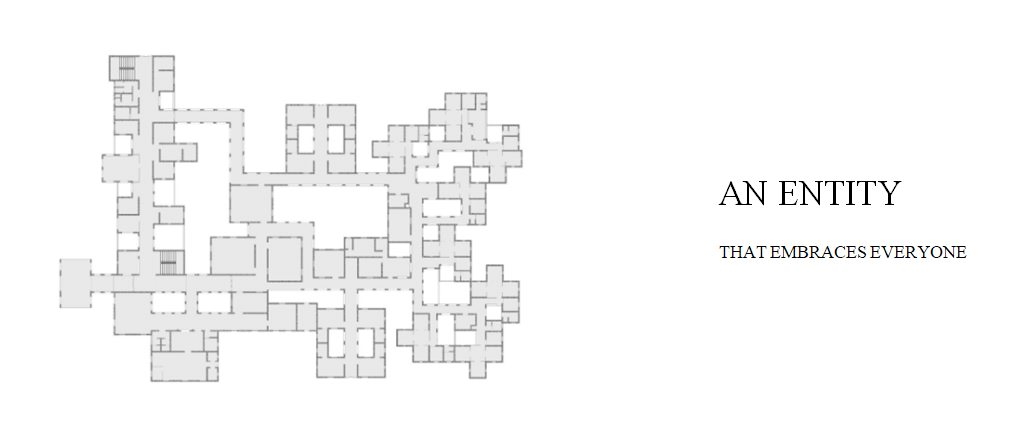
Oasis - Master Plan

A Master Plan for the Institute of Palliative Medicine, Kozhikode
Institute of Palliative Medicine, Kozhikode is the pioneer of palliative care movement in South East Asia, providing inpatient & outpatient care, homecare & rehabilitation and comprehensive training programs. It is the first WHO collaborating centre in developing countries and the first such initiative in the world to develop patient care with community participation, which makes IPM more of a social initiator than a hospice care centre. IPM’s campus is located in Kozhikode Kerala, providing free palliative care services to patients across the district for over 30 years.
Recognizing the profound history of service and global impact of social interventions facilitated by the Institute of Palliative Medicine (IPM), the Indian Institute of Architects (IIA) Kerala Chapter, embarked on a collaborative endeavor aiming to enhance the campus infrastructure, paving the way for a sustainable long-term development and positioning it as a centre of excellence in the field. With Samagata Foundation, an organisation of young individuals supporting the whole causeIIA Kerala Chapter, along with the support of IIA Calicut Centre meticulously crafted a comprehensive masterplan for IPM, incorporating various enhancements; including redevelopment of the existing palliative block, introducing new support functions such as a library block, a media/classroom block, a laundry block , pavilions and other landscape elements to revitalise the whole campus. The process was named as “Oasis” symbolizing a place offering solace, support, and relief. Oasis is envisioned to foster increased public engagement within the campus raising awareness among people on the IPM’s vital functions, ultimately expanding its reach and impact.

What is Palliative Care?
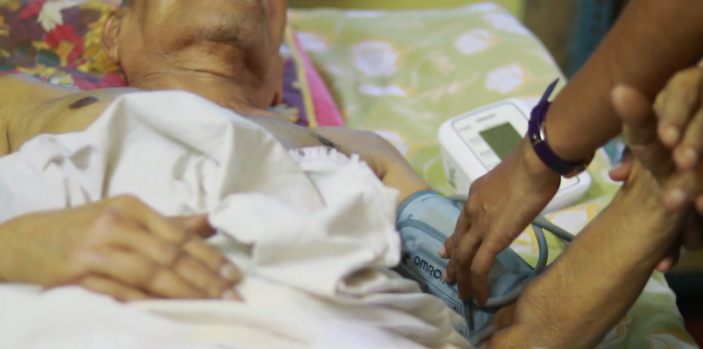
Palliative care is a specialized medical approach focused on improving the quality of life for individuals facing serious illnesses or conditions. It aims to provide relief from those serious illnesses, associated symptoms, pain, and stress, while also addressing psychological, social, and spiritual needs. A team of healthcare professionals, including doctors, nurses, social workers and volunteers work together to support patients and their families in navigating complex medical decisions and finding comfort and dignity in their journey. Unlike hospice care, palliative care can be provided at any stage of an illness and can be integrated with other curative treatments.
What does IPM do?
The Institute of Palliative Medicine is the training, research and outreach arm of the Pain and Palliative Care Society (PPCS). In addition to being a technical advisor to World Health Organization, IPM as an organisation has several other international palliative initiatives in countries like Bangladesh, Thailand, Indonesia, Sri Lanka, Ethiopia and Switzerland.The IPM campus in Kozhikode, Kerala has 5 major activities; which include outpatient care, inpatient care, training & research, home care and rehabilitation. IPM aims to establish community based palliative care, cultivating care givers and patient care volunteers to provide a pleasant and comfortable environment for morbid patients. The palliative services provided by IPM are completely free of cost.

Collaboration with IIA
The physical campus of the Institute of Palliative Medicine (IPM), with its two-decade-old infrastructure, was in need of a significant spatial upgradeand contemporary facilities to align with its international reputation. Recognizing the importance of enhancing the campus to reflect the status of IPM as an international entity in the field of palliative care, the Indian Institute of Architects (IIA) Kerala Chapter, along with the social wing of IIA Calicut Centre, took a proactive step to assist in this endeavor. Understanding that IPM deserved a campus that not only met but exceeded global benchmarks, IIA with the support of Samagata Foundation, embarked on preparing a comprehensive masterplan for the institute. This social initiative is a part of IIA’s commitment to become a catalyst for positive change, utilizing its expertise and resources to contribute to the betterment of society. Representatives from the IIA Kerala Chapter, IIA Calicut Centre and IPM met together to discuss the potential of anew masterplan.

About Samagata
Samagata Foundation is a non-profit organisation in India that supports projects and ideasthat bring value to society. When IIA crossed paths withSamagata, a group of young mindswith a vision to support noble social causes, they offered their full support for the IIA’s IPM initiative, and agreed to financially support all the necessary processes required to make the masterplan project a successful endeavor.

Timeline: Key Milestones of the Oasis Project
02 October 2023: On World Architecture Day, IIA and IPM signed an MoU for a two-year collaboration to enhance palliative care services,IIA Calicut Centre hosted the IPM Master Plan workshop.

17 & 22 January 2024: Think Tank discussions were held at IIA Calicut Centre to refine the master plan.

29 January 2024: Proposal for the IPM Master Plan was presented to its representatives.

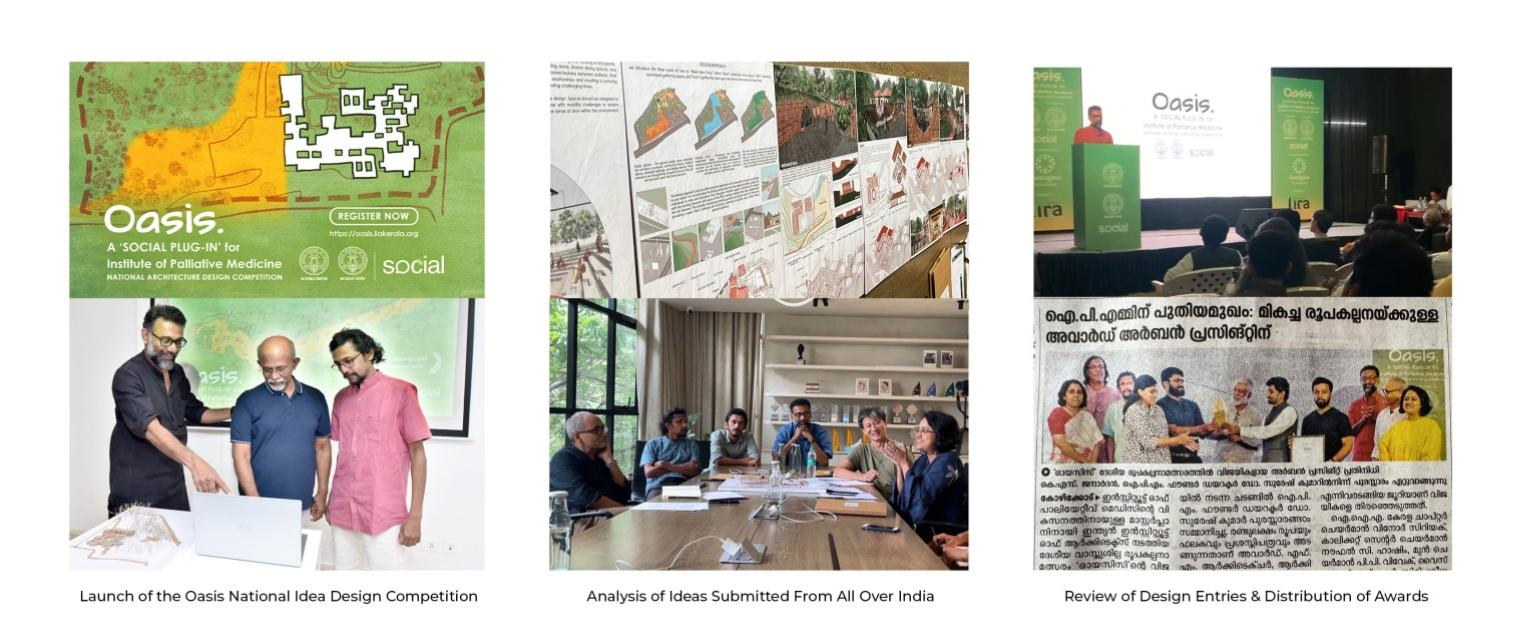
07 February 2024: IIA announced a national architectural competition to design a social plug-in for the IPM campus.

20 March 2024: The Oasis Idea Design Competition was launched on International Day of Happiness.

25 May 2024: Competition entries were reviewed by an international jury, and prizes were awarded.

04 & 13 June 2024: Discussions on competition ideas led to potential master plan interventions,Think Tank discussions analyzed design feasibility on-site.

01 July 2024: User surveys informed revisions to the master plan.

05 July 2024: The refined master plan proposal was approved by PPCS staff and volunteers.

18 July 2024: Design details for approved components were finalized.

06 August 2024: Consultations on project execution strategies began with experts.

26 August 2024: Discussions on execution strategies were held with IPM representatives.

24 September 2024: Preparations for site work included legal and financial planning.

17 October 2024: Project kick-off meeting prepared for construction commencement.

01 November 2024: Implementation of the IPM Master Plan officially began on-site.


BACKGROUND
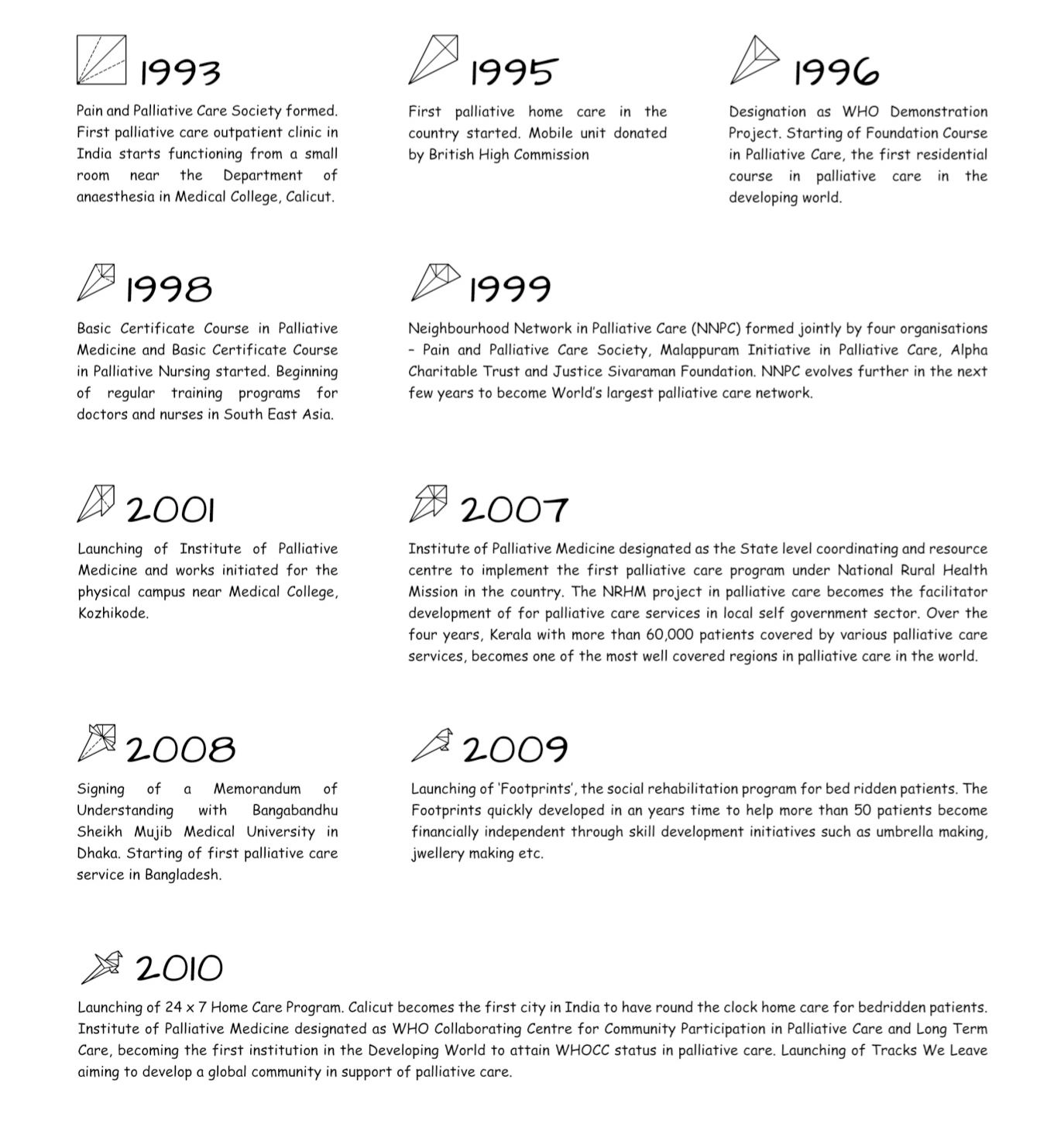
Established in 1993 under the leadership of Dr. M.R. Rajagopal, often referred to as the “father of palliative care in India,” the Institute emerged as a beacon of compassion and care for those suffering from terminal illnesses. Initially founded as a small clinic, IPM swiftly expanded its services and expertise, becoming one of the leading institutions in the world dedicated to palliative care.
The Campus & Context
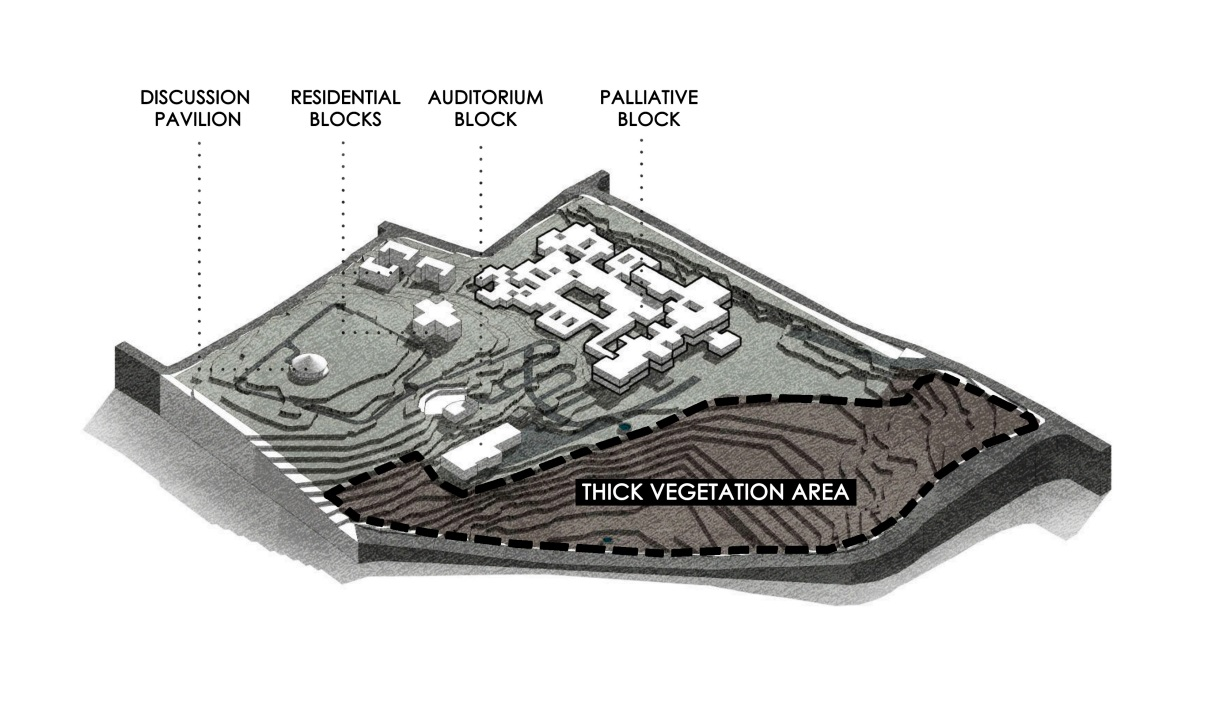
Located near Govt. Medical College, Kozhikode, the Institute of Palliative Medicine includes a main palliative block, a guest house block, two residential blocks, an auditorium block, an open air theatre and a discussion pavilion inside the 7.5 acre campus. The IPM campus is surrounded by the Tertiary Cancer Care Centre on the west, Institute of Mental Health and Neuro Sciences on the north, a large vacant plot owned by the Medical College on the south and a group of residential buildings towards the east. The terrain has an undulating topography, marked by steep contours within the site. The entire campus is enveloped by lush greenery, creating a tranquil enclave shielded from the bustle of the surrounding areas. This greenery not only enhances the aesthetics of the IPM but also contributes to the serene ambiance vital for patient care and well-being. The north-western part of the campus consists of very thick vegetation filled with densely packed trees. A small kaavu (ritualistic prayer area) is also present within the dense vegetation inside the campus. The campus site has heavily contoured landscape with thick vegetation around its lowest contour and a comparatively flat open land along the highest contour. The main palliative building is located on the moderately flat region in between the contours with pedestrian paths running throughout the campus connecting the building blocks with each other.


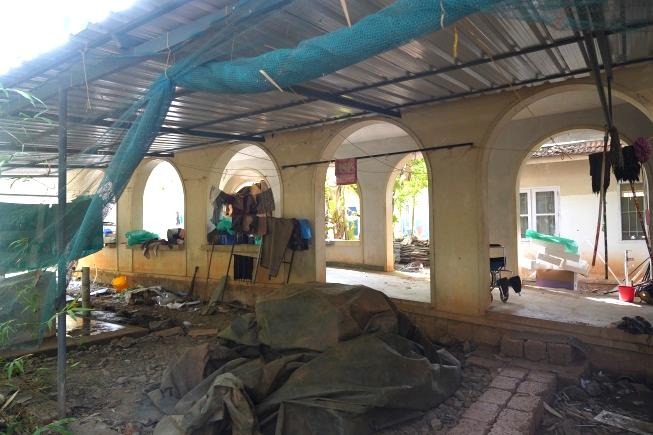

During the visit to IPM, it was evident that many sections of the main palliative block remained unused, used as equipment dumping yards, resulting in diminished activity in these spaces. Courtyards were neglected, overgrown with grass and bushes, rendering them unsuitable for public use. Moreover, signs of deterioration were observed around the building structures, highlighting the urgent need for maintenance and refurbishment efforts.IIA put forward a new masterplan that aims to preserve the essence of the place by keeping interventions minimal, while introducing better recreational areas around the campus. The unused passage structure of the palliative block was demolished to make way for a new large recreational plaza. The porch was also proposed to be relocated to the southern part of the palliative block. Creation of a new play area atop the highest contour, along with the relocation of the discussion pavilion is also a significant addition. The north-western section of the campus, with dense vegetation, naturally offered shade and thermal comfort to the outdoor activity areas. Consequently, it was preserved in its original state to maintain the site’s inherent natural attributes.


Activities inside the campus
The IPM outpatient clinic diagnoses around 30 to 40 people per day. More than 2000 patients with major problems related to old age, cancer, stroke, spinal injuries etc. register as new patients every year. In the past 25+ years IPM was able to provide services to almost 50,000 patients and their families. IPM has a 30 bed inpatient unit for moribund patients with advanced diseases, preparing them to greet death in the least painful way possible. Patients with difficult physical/ emotional symptoms, patients with HIV/AIDS, bedridden patients and patients whose problems could not be resolved in OP care are also admitted for round the clock care. What sets IPM apart from conventional hospice care is the compassionate approach through which the organisation extends its hand to anyone in need, totally free of cost, constantly reassuring that the people of IPM are always there for them and they will always be treated as a member of the family.
The home care program of Palliative Care Society, Calicut is the only place in the country with a round the clock home care service. IPMS’s home care covers around 20 to 25 houses each day and has more than 750 patients registered for regular home care in and around the district. Through comprehensive services like diagnosis by doctors, nursing care, distribution of medicines, personal treatment, educational support for children in their family, monthly ration etc. IPM has been able to touch the lives of many families both inside and outside of the campus.

IPM is one of the well-known palliative training centres in the world providing certification courses and fellowship programs. There are regular WHOCC certified courses for professionals and non-medical patient care/communication skill training programs. The Fellowship Program aims to create a group of palliative care workers with an in-depth knowledge of core issues in organising palliative care at the grass root level and well versed with the recent advances and challenges in palliative regionally, and globally.
IPM cultivates around 4000 to 5000 palliative care volunteers per year. The volunteers at IPM have their own organisational wing entrusted with the responsibilities of the activities in the campus. This gives the volunteers a sense of freedom to become part of the decision making process of the Institute. This is one of the major reasons why volunteers tend to frequently come back to the campus even after completing their training. The volunteers are primarily the ones who take up various fundraising initiatives, cultural programs and several other awareness programs of IPM.
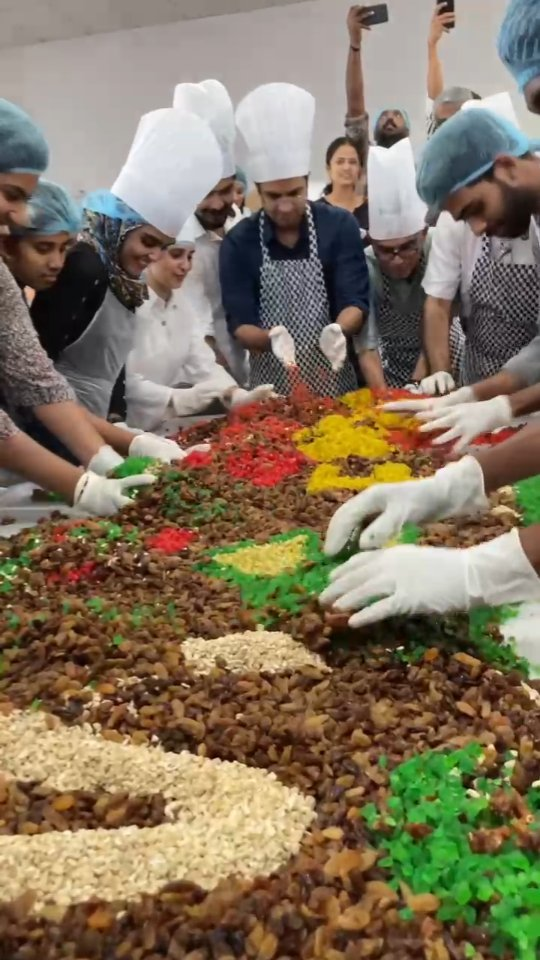
The annual Curios is the largest Palliative Care Carnival organized by IPM and envisioned by its youth volunteers.Curios is the grandest fundraising initiative orchestrated by the institute. The festival hosted in the beginning of each year brings together individuals from diverse backgrounds, including healthcare professionals, artists, educators, and members of the public onto the IPM campus. Through a vibrant array of workshops, performances, exhibitions, and discussions, the Curios carnival helps promote the ethos of holistic care championed by IPM to a wider audience. Curios is conducted entirely at IPM’s campus and is open to both local and international communities. The intention behind Curios is to blend palliation with festivity to raise awareness about palliative care, promote death literacy, and as fundraising for patient care. Through propagating awareness about palliative care, Curios aims to generate compassionate communities with a deeply-rooted understanding of empathy. Each year, the Curios festival sets up commercial stalls in an attempt to sell the products made by the IPM residents to bring in donations from the thousands of people visiting the institute at the time of the fest. The funds collected from the initiative are transferred onto various rehabilitation projects and facilitation programs for the IPM residents.

Organisation structres of IPM
IPM has played a key role in shaping the globally renowned “Kerala Model” of palliative care with an emphasis to strengthening the social aspect of patient care. The representatives at IPM believe that patients can be healed with the help of a compassionate environment, thus working tirelessly to provide and promote quality care to everyone who arrives at the organisation seeking refuge.The institute operates 24/7 to cater to inpatient needs and designates their daytime hours for outpatient services. Research and training facilities maintain regular office hours while palliative volunteers would often remain on campus throughout the day. IPM provides timely home care services for registered patients around the district through its on call mobile healthcare unit.

THE INTERVENTION
NEED FOR A SOCIAL COMPONENT
IPM has been around providing crucial healthcare services for about 30 years and despite significant advancements in understanding and delivering palliative care, stigma continues to surround it. Palliative care is often misunderstood as the point of giving up hope or as a sign that death is imminent, leading to reluctance in seeking or accepting its services. There’s a prevailing misconception that palliative care is solely for end-of-life situations, overlooking its role in enhancing quality of life for patients facing serious illnesses at any stage. This stigma can result in delayed access to crucial supportive services, unnecessary suffering, and diminished quality of life for patients and their families.

The existing IPM campus lacks a converging point that can bring the people of IPM, people inside IPM and the people outside IPM together. A place, where the members of IPM can spread their message, the residents can share their experiences and the public can extend their helping hands. The implementation of such a social plug-in as a component of the masterplan can broaden IPM’s reach significantly, allowing patients to share their stories with a larger audience, and easing the challenge for volunteers to engage the public onto the campus. By providing a platform for sharing experiences, insights, and support, the space could host educational workshops, awareness campaigns, and community events, thereby expanding IPM’s outreach and impact beyond its physical confines. Furthermore, by promoting dialogue, empathy, and social interaction, the social space would contribute to destigmatizing palliative care and raising awareness about the importance of holistic support for serious illnesses.

As per the new master plan proposed by IIA, the IPM campus was divided into three zones, with the social zone positioned between the vegetation zone and the campus blocks. The concept aimed to ensure that the social spaces act as a beacon of public engagement without disrupting the dense vegetation or interfering with the functional aspects between the campus blocks. The designated area for the social intervention encompassed the current entry road to the campus, the old porch, old building entrance, existing parking facilities, a ground area in front of the palliative building, and the auditorium block and its surroundings, totaling approximately 3 acres.

The Vision
IIA envisions transforming IPM into a more socially engaging campus where the institute can translate its philosophy of care as a culture to the public. The major intentions of the master plan proposed by IIA are:
- Inculcating a larger vision to promote care as a culture.
- Enhance the experience and facilities for the stakeholders.
- Foster social gathering and opportunities through informal urbanism.
- Instilling compassion through activities, interactive learning and incite thoughtful reflections.
- Developing a centre of excellence in palliative care research, compassion and care with better public involvement.
IPM provides an opportunity and space for caregivers and patients together to make the place feel belonged. Inside the campus everyone is part of an extended family, constantly reminding each other that it’s alright, we are here. Moreover, IPM enables the patients to think about three major questions:
• How would I want to remember the life ahead?
• How would I want to be remembered by others?
• How would I like to greet death when it arrives?
And IPM trains their volunteers to help them find the answer to these questions. IPM occupies a very special position in the heart of the patients and their families as a place that was there to hold on to in a time of uncertainty and as a place that hold on to them in a time of need. IPM is collection of several stories of courage, compassion and care; and stories of a place that became an entity that embraced everyone, an environment that dissolved all worries and the people who made everyone feel at home.