Learning to Look: Notes from the Wayanad Bird Festival
Entering Puliyarmala
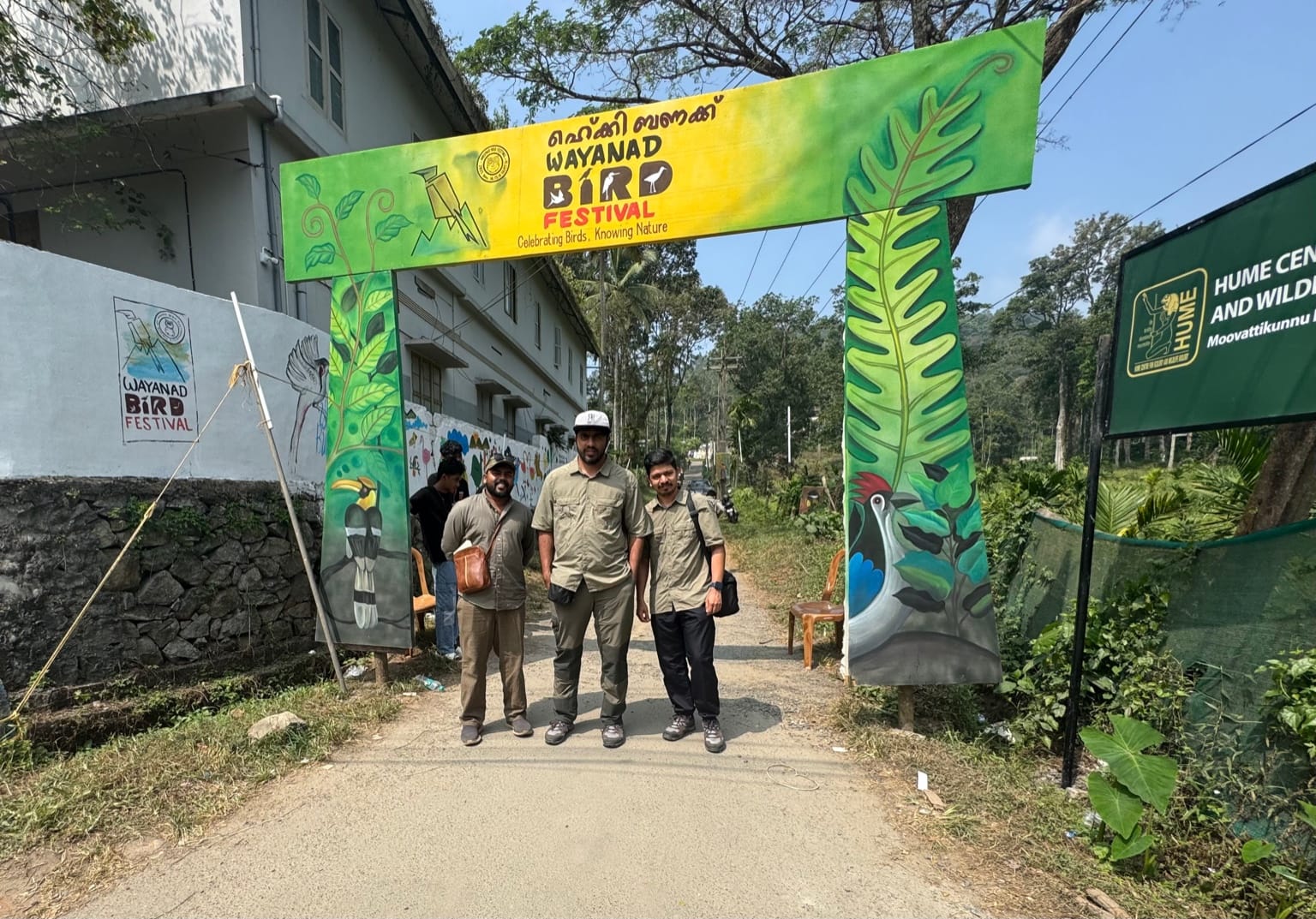
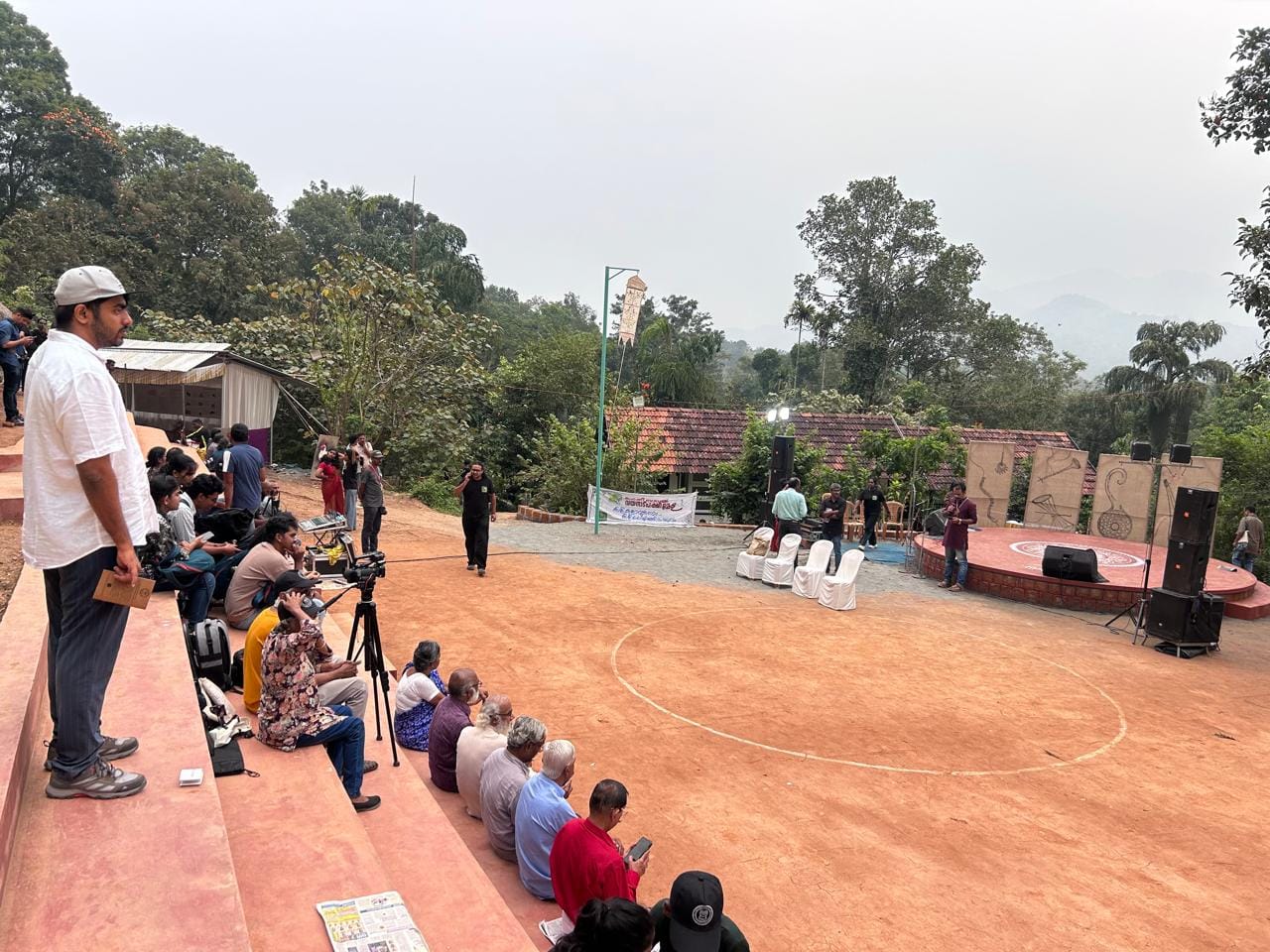
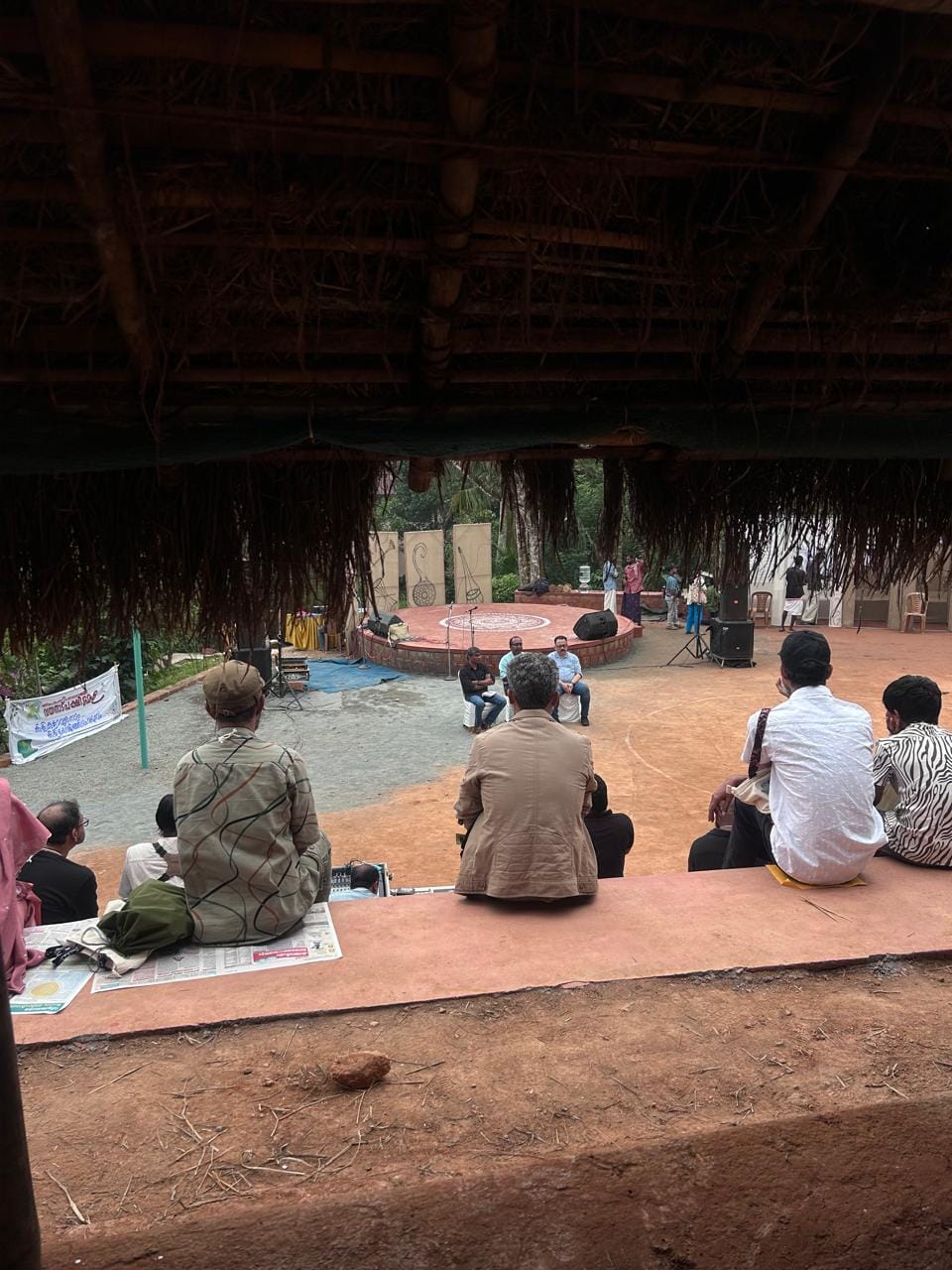
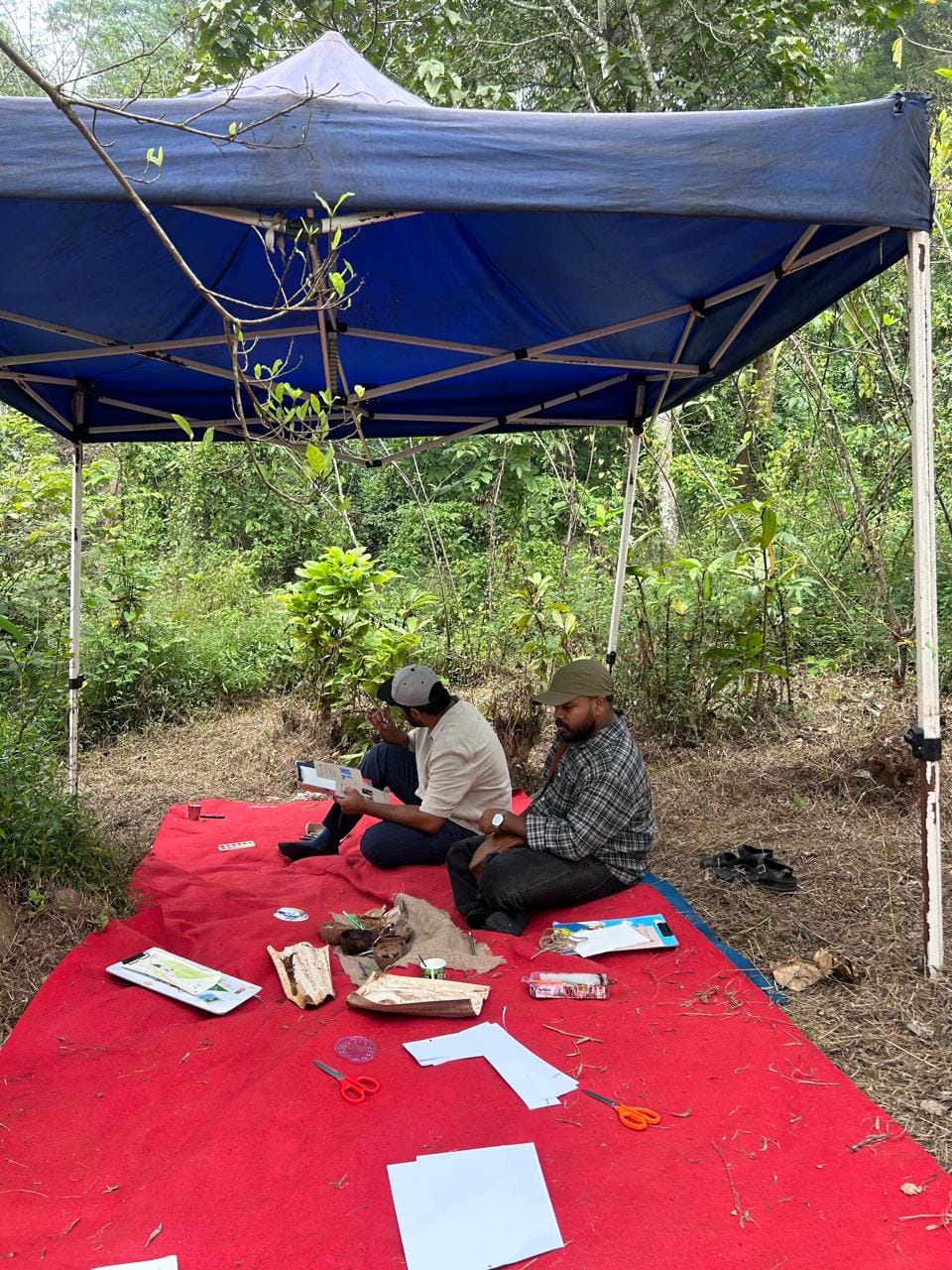
The Wayanad Bird Festival was held at Puliyarmala, the site where the future campus of the Hume Centre for Ecology and Wildlife Biology is envisioned. Arriving there felt less like entering a festival and more like stepping into a landscape that already carries a purpose.
This was not a typical public event or a closed scientific conference. Scientists, ornithologists, birders, artists, students, and curious members of the public shared the same ground. The festival managed to create a rare balance—where scientific discussions remained serious while the experience remained open and immersive for everyone present.
A Meeting of Many Worlds
Throughout the festival, specialist talks explored different aspects of ornithology—bird behaviour, migration, conservation, and ecological relationships. But what stood out was not just the content of these discussions.
It was the gathering itself.
For perhaps the first time, it felt like so many ornithologists, birders, and nature enthusiasts had a common space to interact. These are individuals who dedicate their lives to observing the smallest movements in the natural world. Seeing such focus and patience concentrated in one place was both inspiring and humbling.
Learning From Those Who Observe
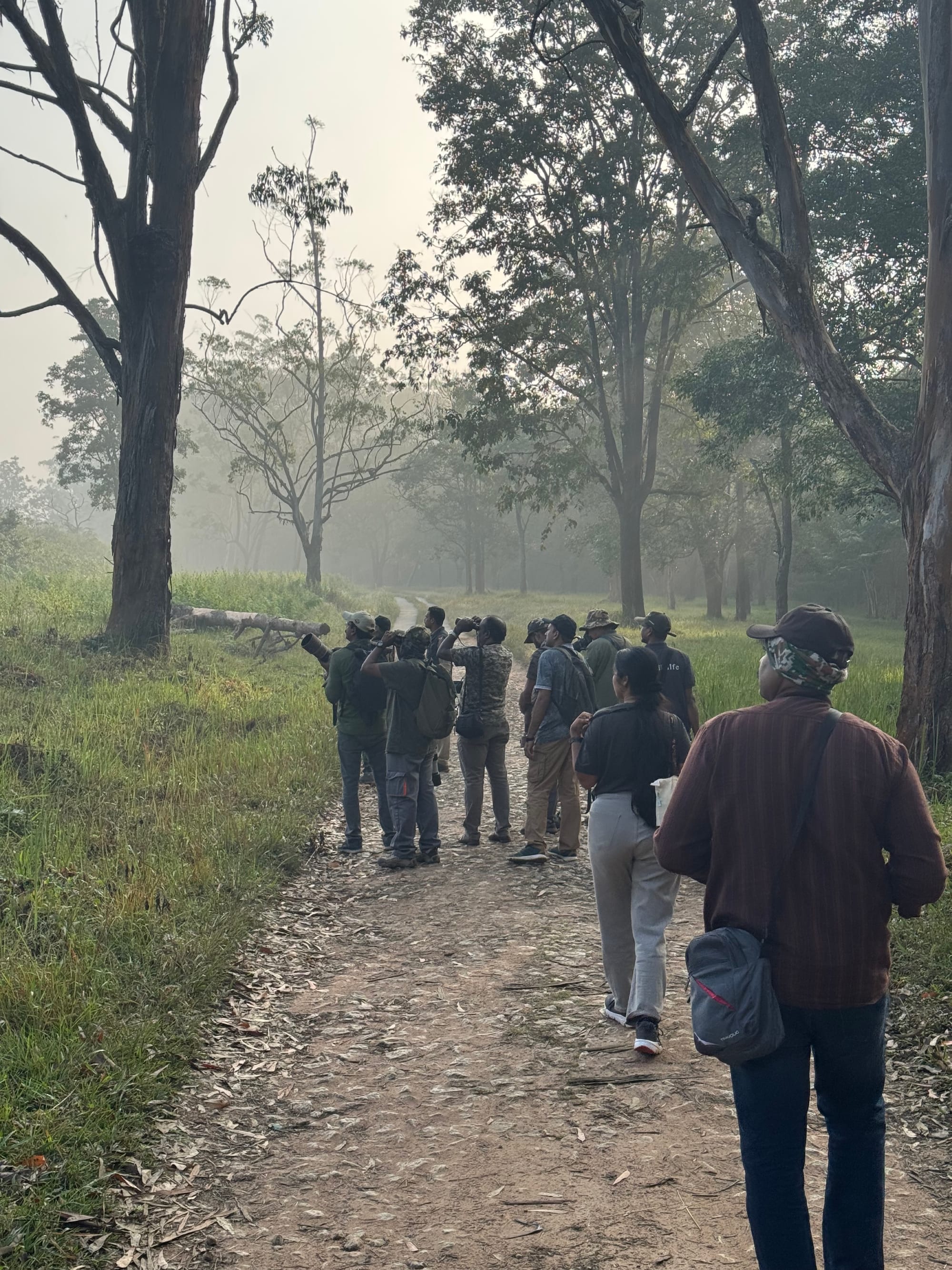
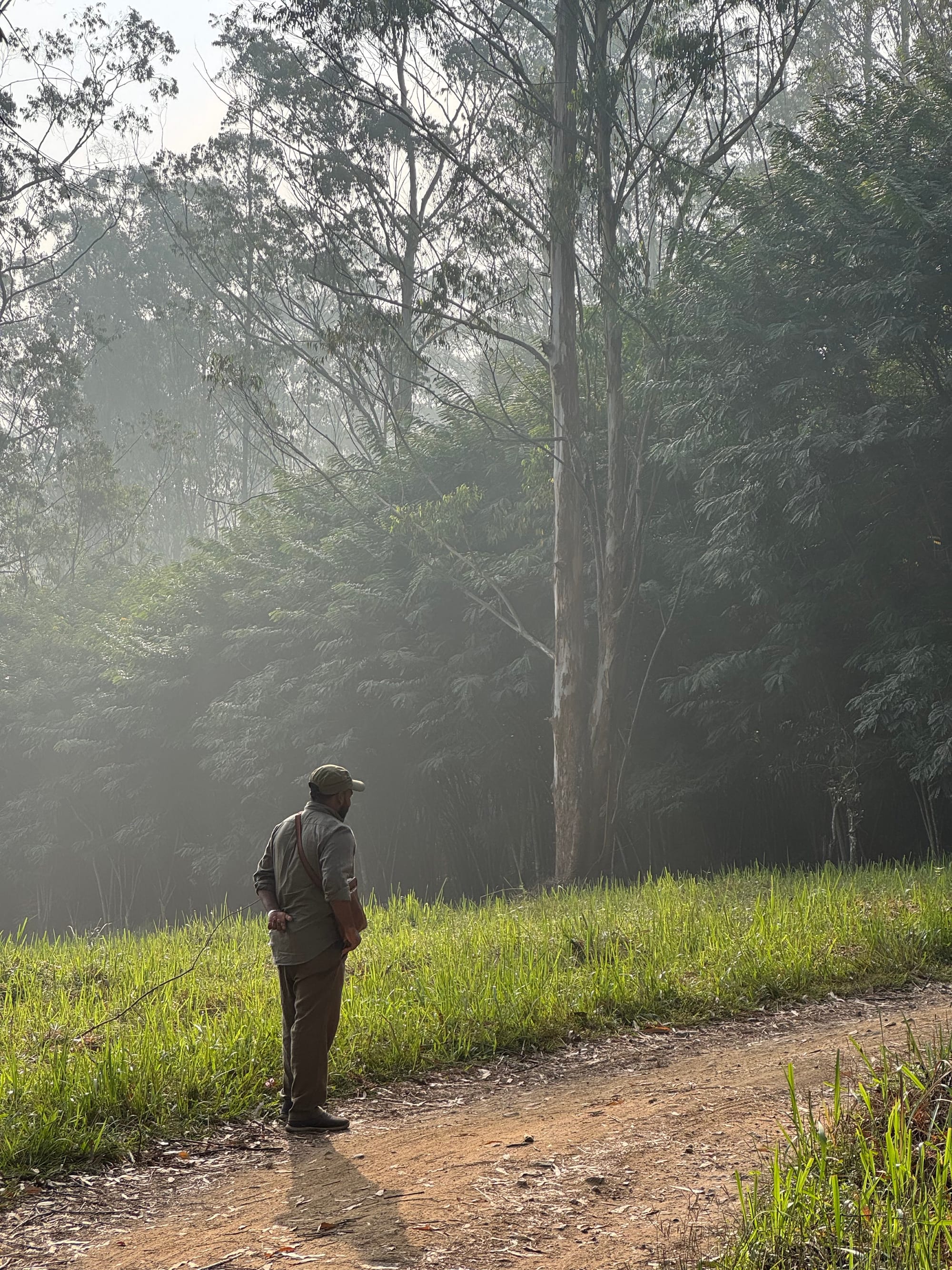
Walking through the landscape with experienced birders revealed a different way of engaging with nature. They listen differently. They move slowly. Their attention is tuned to subtle cues distant calls, slight movements within foliage, fleeting silhouettes across the canopy.
What most people perceive as a silent forest is, for them, a dense field of signals.
Observation, it became clear, is not automatic. It is a cultivated skill.
The Vulture Trail
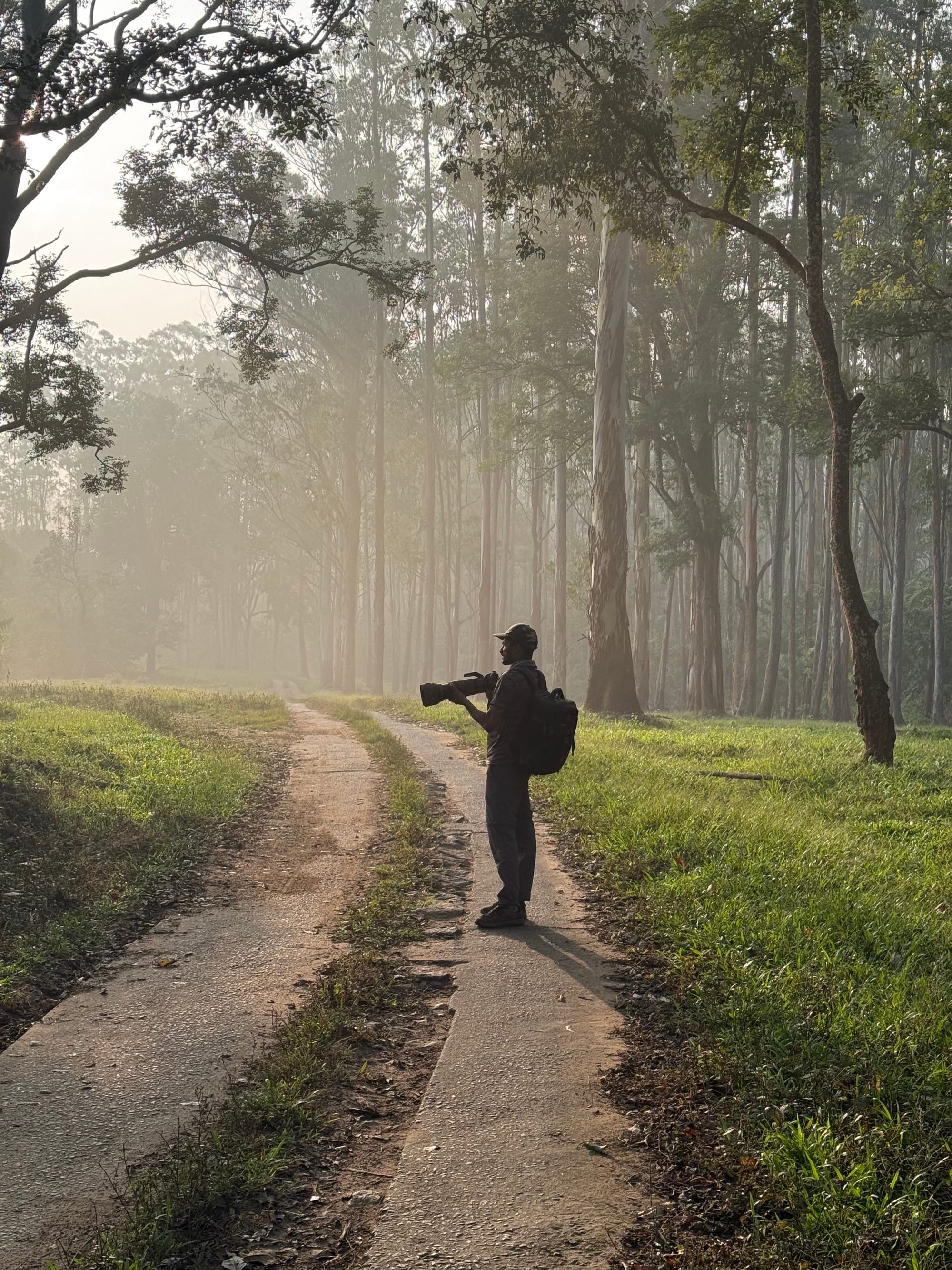
One of the most memorable experiences for me was the vulture trail through the Muthanga forest. Accompanied by seasoned birders, our group moved quietly through the landscape, pausing often to listen and scan the canopy.
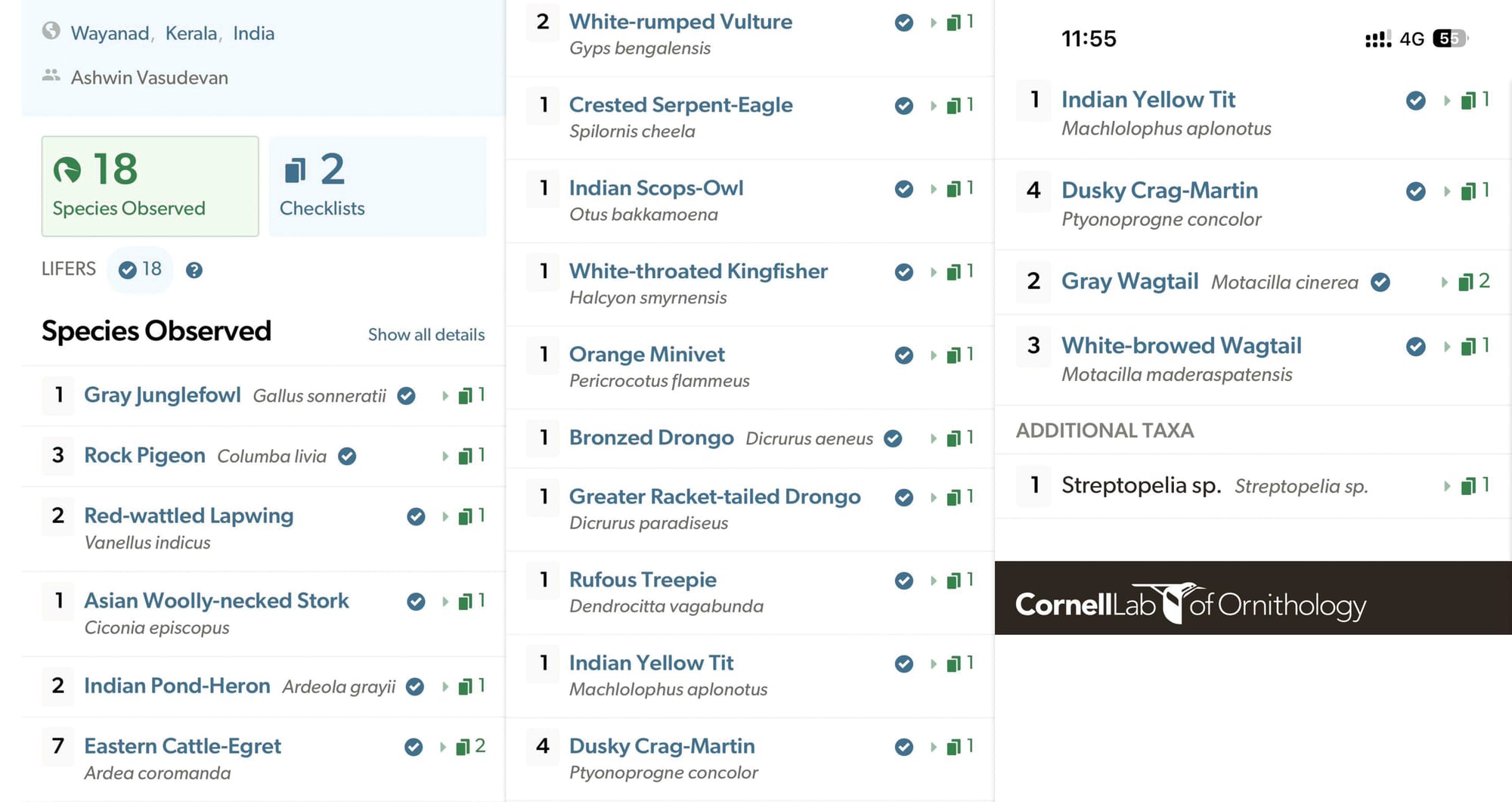
During the walk we spotted eighteen species of birds, including vultures.
The excitement within the group was palpable, but what struck me most was something simpler, the realization that these birds had always existed in this landscape. Their presence had simply gone unnoticed by me.
The Discipline of Attention
That moment was humbling.
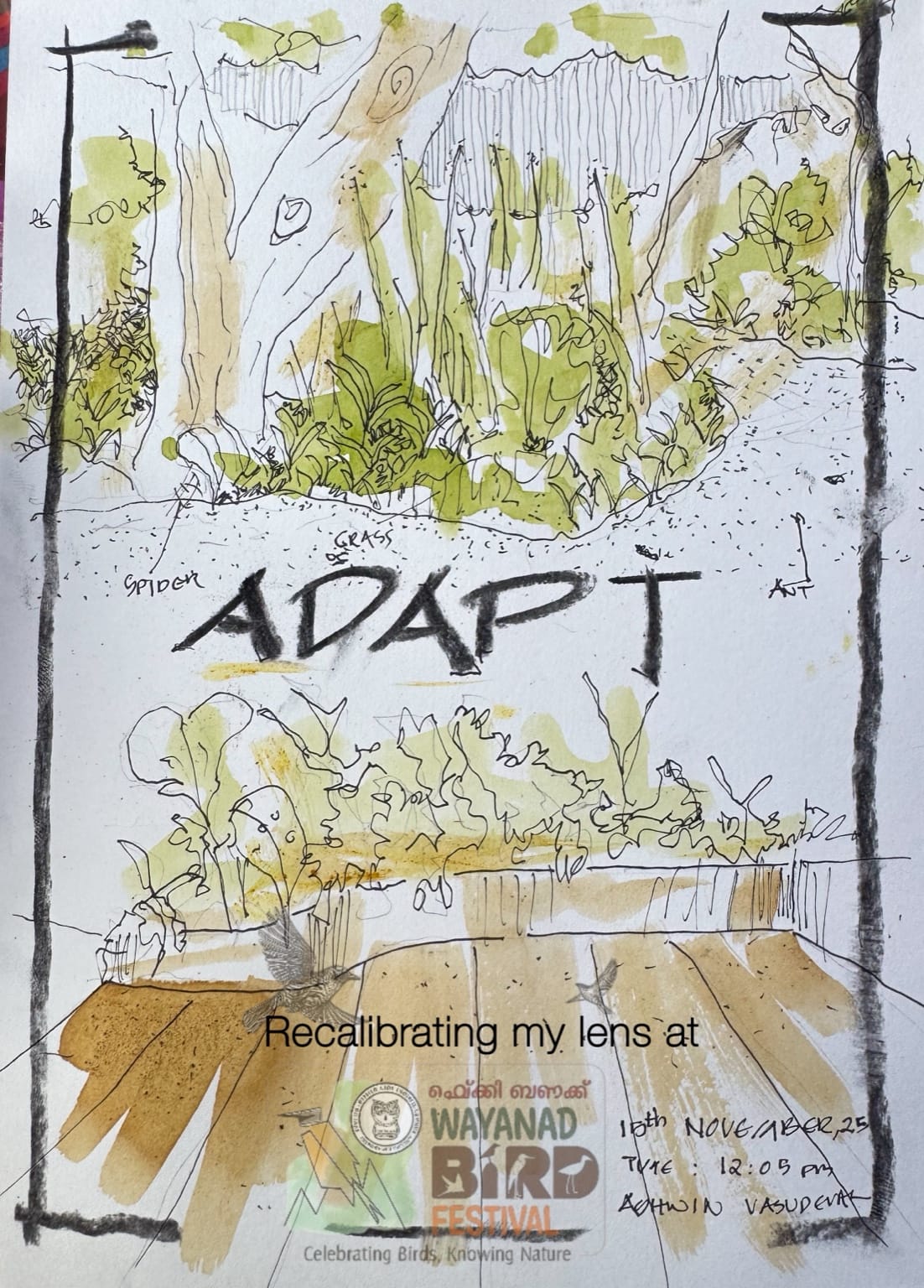
It revealed how much our perception depends on attention. In a world shaped by speed, distraction, and constant information, the discipline of careful observation has become rare.
Birding, in many ways, is an exercise in patience. It requires slowing down enough to notice details that would otherwise disappear into the background.
When Science Meets Theatre
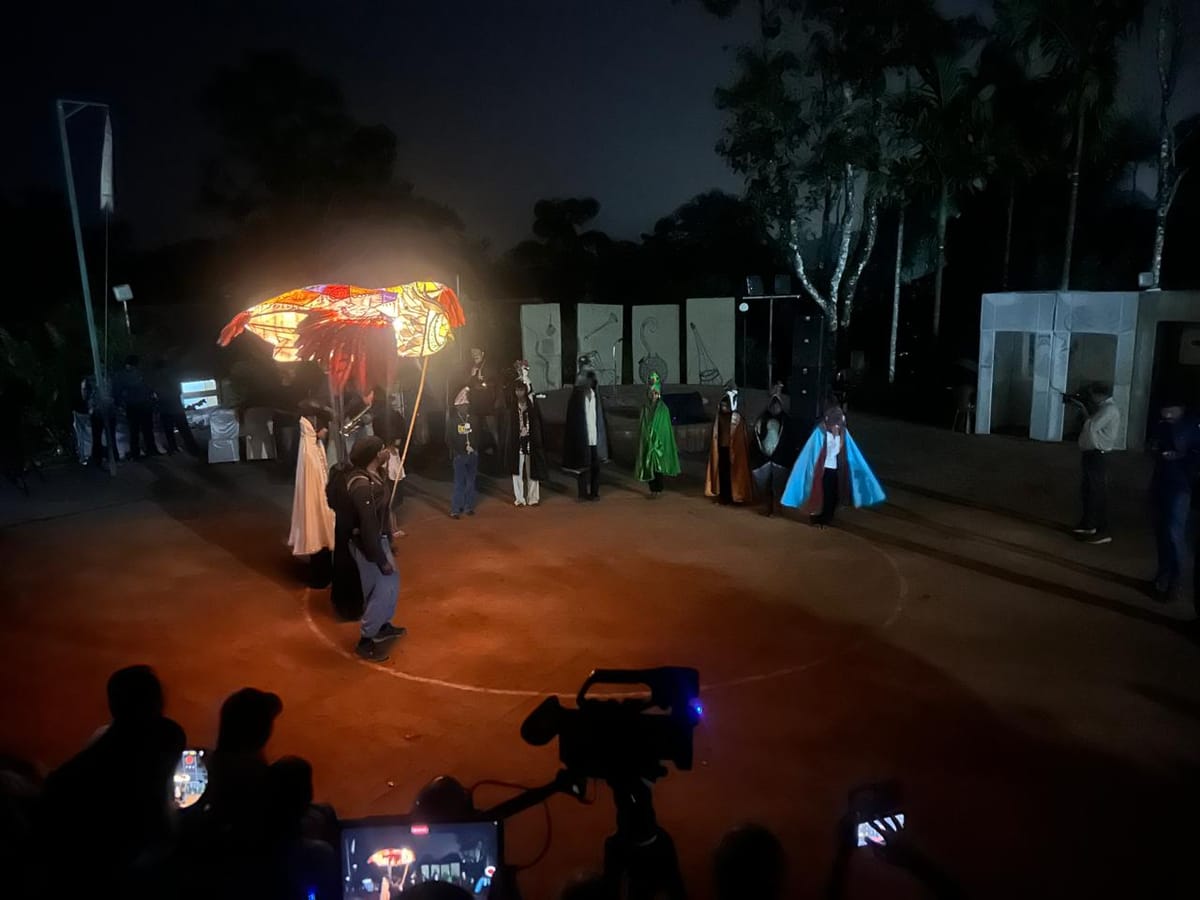
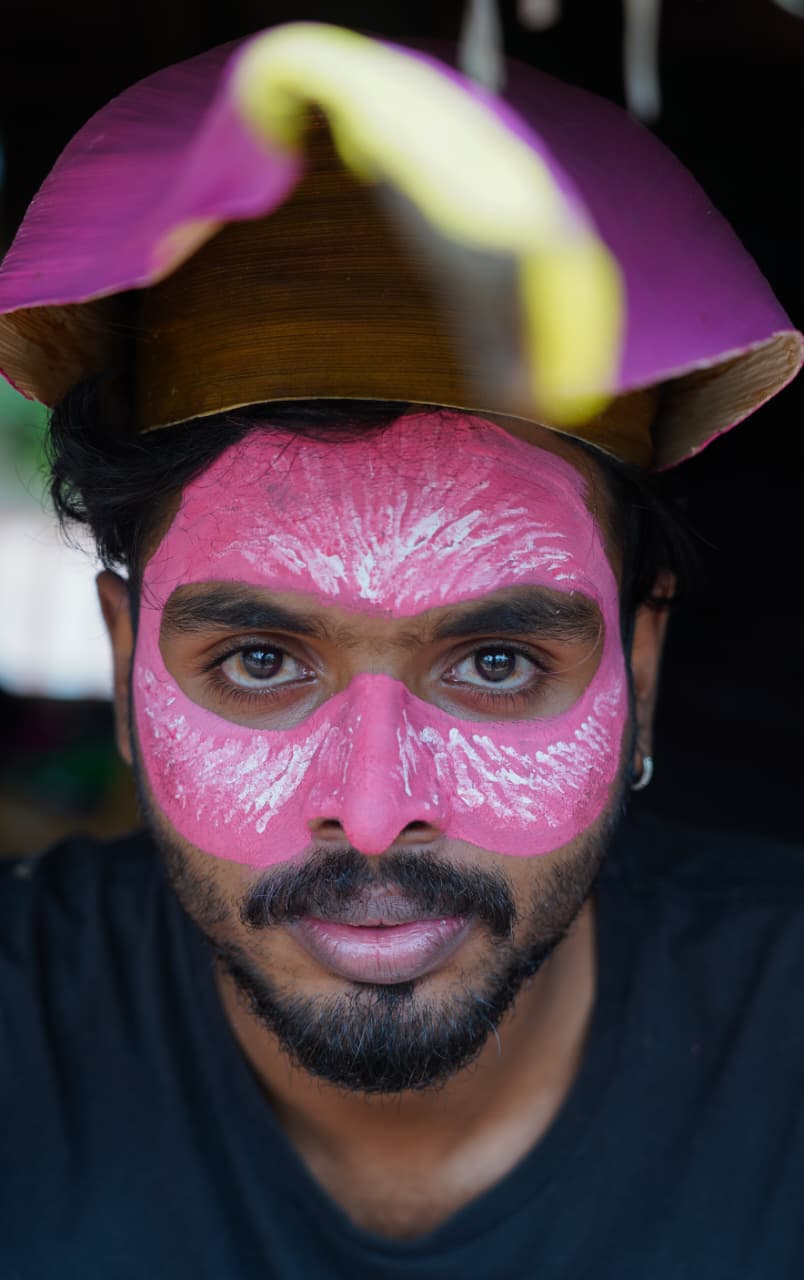
One of the unexpected dimensions of the festival was the presence of theatre and performance. Workshops and performances led by artists like Manu Jose introduced another way of engaging with ecological ideas.
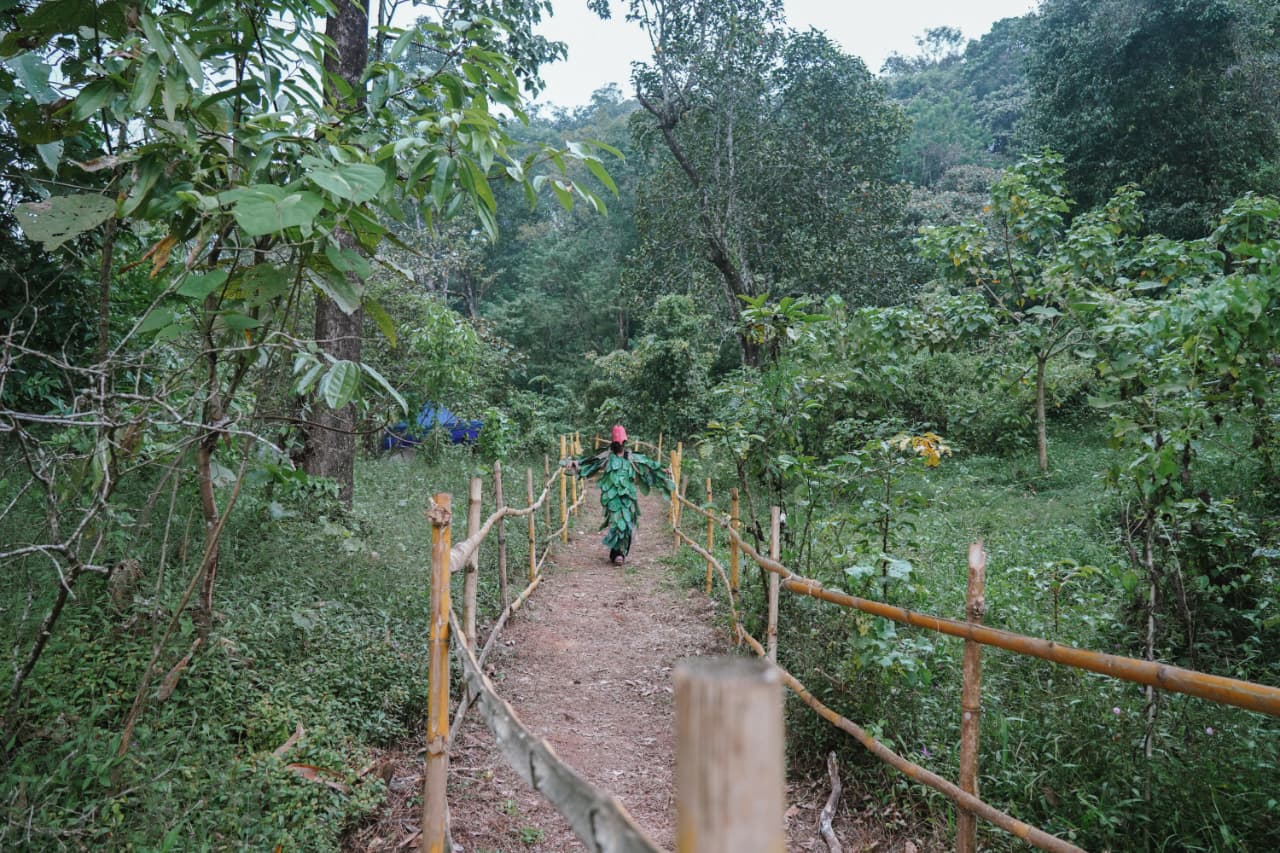
Instead of explaining biodiversity through lectures alone, the performances translated ecological relationships into movement, costume, and narrative. Characters inspired by birds, forests, and natural elements appeared across the site—sometimes playful, sometimes contemplative drawing the audience into a different kind of understanding.
For children and casual visitors especially, these performances created an immediate connection with the ecological themes of the festival. Where scientific language can sometimes feel distant, theatre offered an emotional and visual entry point.
What emerged was a powerful reminder that science does not have to exist in isolation. Art has the ability to communicate complex ecological ideas in ways that are intuitive, memorable, and accessible.
In that sense, the festival became more than a scientific gathering. It became a cultural space where observation, research, storytelling, and performance coexisted.
Where Architecture Enters the Conversation
For an architect, experiences like this inevitably lead to another question: what role can architecture play in strengthening this culture of observation?
Architecture often attempts to frame nature, creating viewpoints, terraces, or controlled experiences of landscape. Yet sometimes these gestures risk turning nature into a visual backdrop.
The experience at Puliyarmala suggests a different approach.
Perhaps architecture should not always attempt to dominate the landscape. Instead, it could create subtle conditions that encourage people to observe more carefully, pathways that slow movement, shaded pauses that invite stillness, small observation points that frame the horizon without overwhelming it.
Walking Between Art and Ecology
Moving through the festival grounds, it was interesting to see how these worlds overlapped. A serious ornithology lecture might be followed by a theatre rehearsal. A forest trail might end near a performance space. Visitors shifted naturally between listening, observing, and participating.
This blending of disciplines made the experience richer. It suggested that ecological awareness is not built through science alone, but through multiple forms of engagement—intellectual, sensory, and artistic.
Architecture That Steps Back
In such situations, architecture becomes quieter. It supports the experience without becoming its centre.
The built environment begins to function as an instrument guiding attention rather than demanding it.
If architecture can help people slow down and notice the intricate work of nature, then it has served a deeper purpose.
Relearning How to Look
The Wayanad Bird Festival offered more than knowledge about birds or ecology. It offered a reminder.
Meaningful engagement with nature begins with something simple but demanding: learning how to look again.
And perhaps architecture, at its best, is not about adding more to the landscape but about creating the conditions where observation becomes possible.
A Small Acknowledgement