
2025: On Identifying Compassionate Space
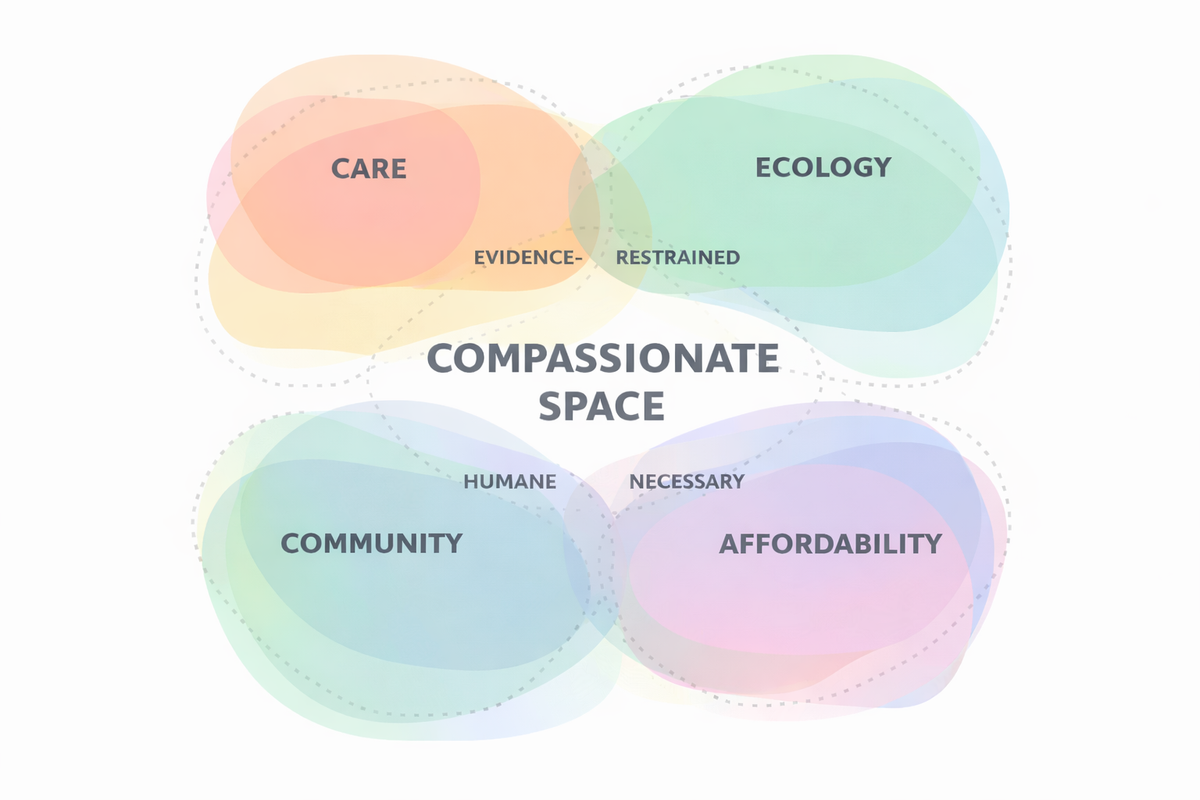
2025 was not a year of conclusions. It was a year of calibration.
Across projects that differed widely in scale, program, and visibility, a consistent question kept returning: where is a humane interface required, and how should architecture behave there? The answer, increasingly, was not about form or innovation, but about restraint.
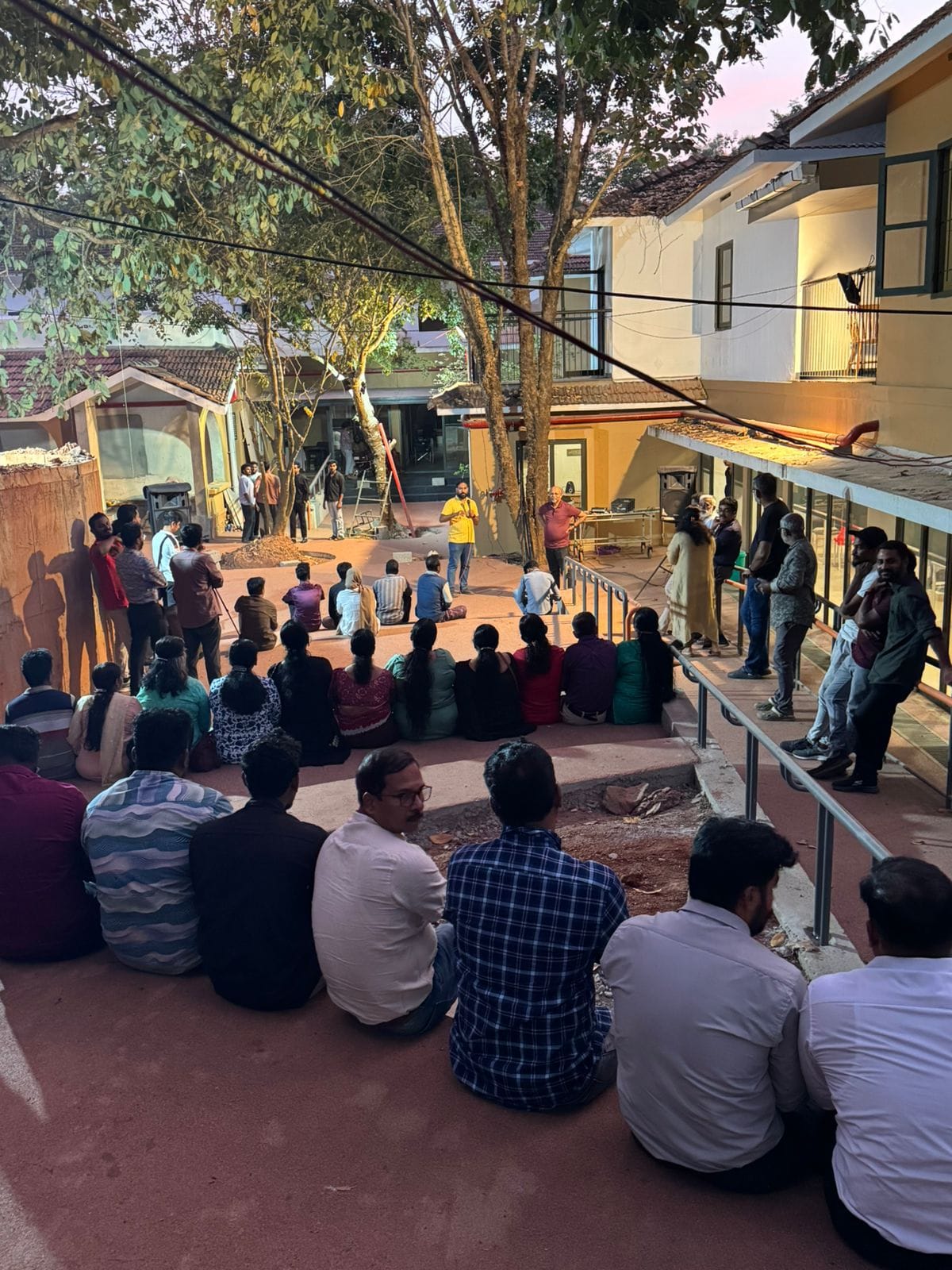
At the Institute of Palliative Medicine, a small ceremony was held to thank the workers involved in executing a space we had designed earlier. The gathering took place in an open court that once functioned as a dump yard. Today, it is a shared ground anchored by a mature mango tree. The space works because it does not announce itself. It does not assert authorship or demand attention. Instead, it recedes—allowing people, care, and time to take precedence over architecture.
This is not accidental. A space that announces itself asks users to respond to the building. In environments of care, learning, or vulnerability, that hierarchy is misplaced. Compassionate space absorbs activity rather than directing it. It becomes legible, intuitive, and calm. Architecture, in such contexts, must step back.
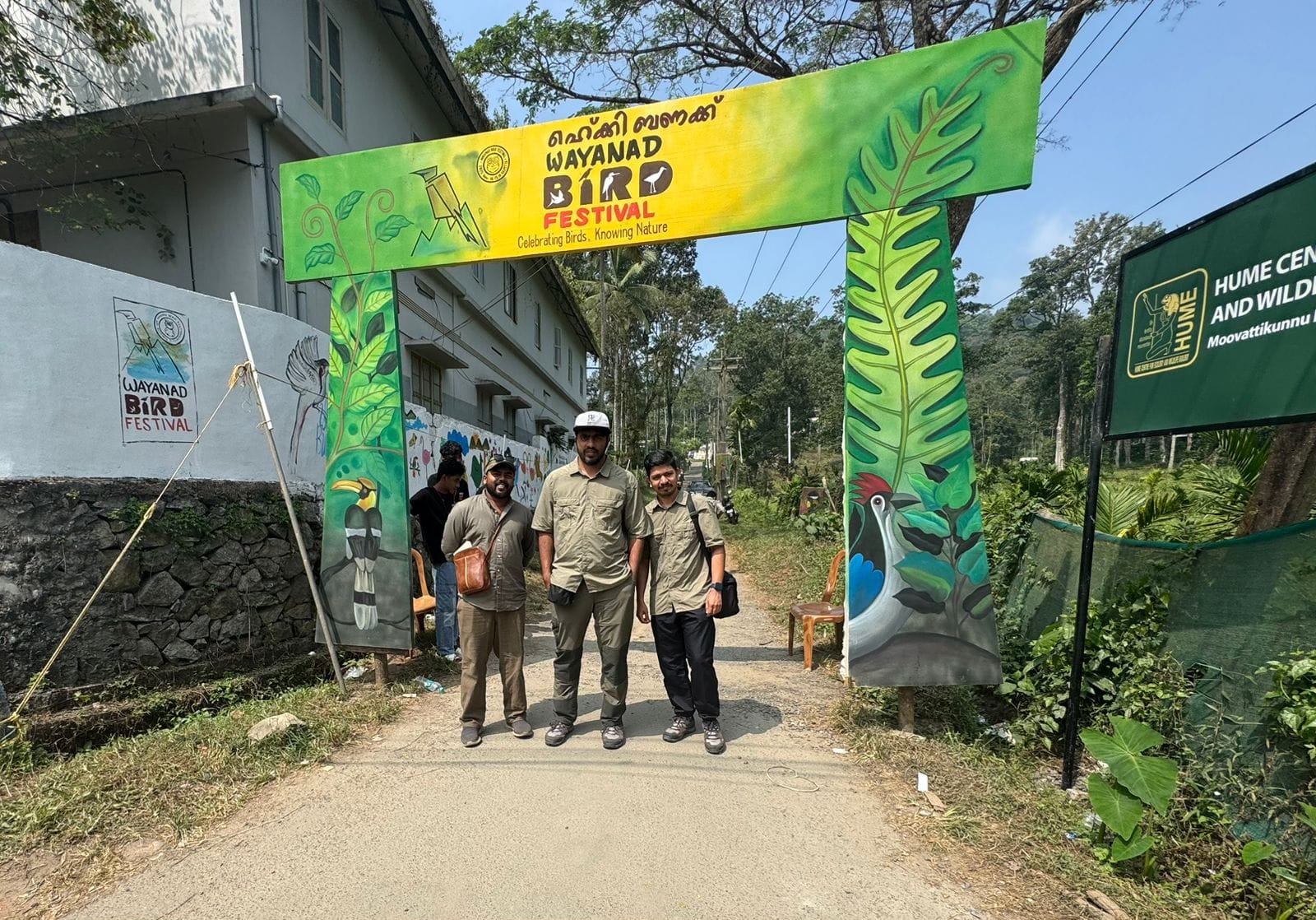
This understanding extends beyond healthcare. At the Hume Campus, the challenge was not to create a visually dominant architectural object, but to enable coexistence—between humans, landscape, and non-human life. Here, compassion is ecological. It lies in knowing when not to intervene, when to allow systems to function without architectural insistence. The space does not frame nature as spectacle; it acknowledges it as an equal participant.
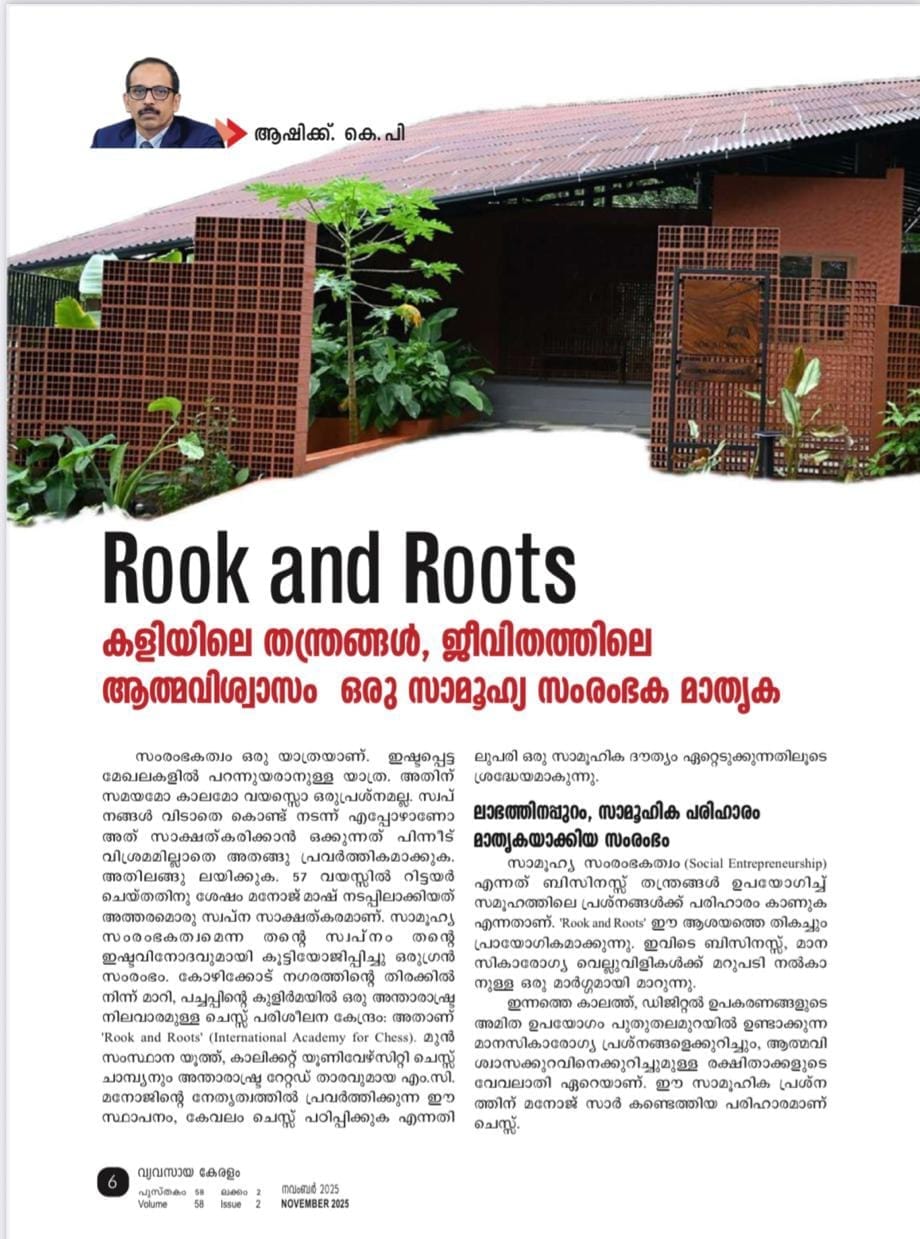
A similar position informed the chess academy project in Calicut. The intent was never commercial. The project emerged from the need to create a shared ground—physically and intellectually—for a community centered on discipline, patience, and long-term thinking. The resulting exploration into land and construction led to Soil Stories, later published in Vyavasaya Keralam, the Government of Kerala’s official magazine. Writing for a non-architectural audience made one thing clear: architecture loses relevance when it speaks only to itself. Soil, labour, and land are not technical subtopics; they are the foundation of humane practice.
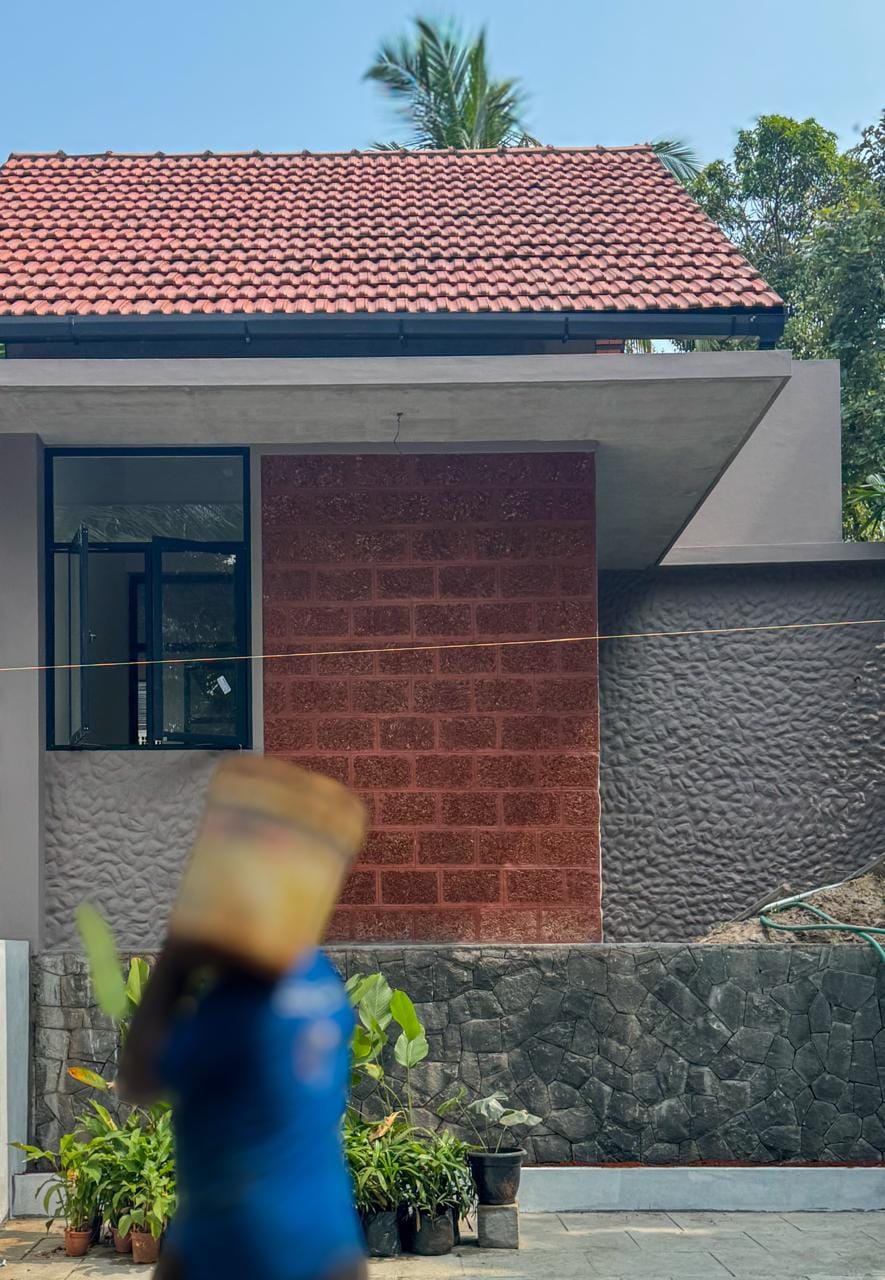
Parallel to these projects has been an ongoing search for a housing prototype that is genuinely budget-conscious. Not as an exercise in cost-cutting, but as a rethinking of priorities. Affordability here is not the opposite of design quality. It is a test of clarity. Constraints force decisions to be precise, materials to be honest, and spaces to justify their existence. This pursuit is not driven by market demand, but by the recognition that housing without dignity erodes the social fabric it claims to serve.
Seen together, these works share a common position. They are not driven by scale, visibility, or monetary return. They exist because certain spaces are necessary for humane interaction—and without them, institutions, communities, and ecosystems fracture. Compassionate space is not a typology. It is an attitude that recognises where architecture must listen before it acts.
2025 reinforced a simple but demanding truth: architecture must first understand the ground it stands on—physical, social, and ecological—before attempting to shape it. Anything else risks becoming noise.
The work ahead will continue to test this position. But the direction is clear. Architecture that lasts does not announce itself. It enables life to unfold with dignity.